Tips for Loading a Dumpster Safely Without Overfilling
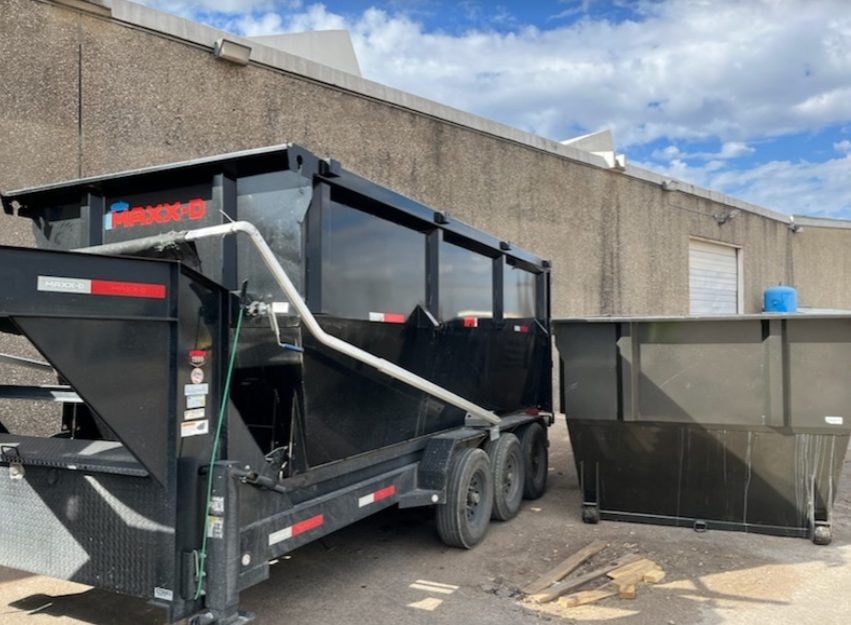
Managing large amounts of waste during construction, renovation, or major decluttering projects can be a daunting task. Incorrect loading practices may result in injuries, overflowing dumpsters, and extra stress. Knowing the correct way to fill a dumpster keeps the process efficient and safeguards workers. Planning, organizing, and managing weight are essential for safe loading. In Dallas, TX, effective dumpster loading is crucial for a seamless cleanup experience.
Exceeding a dumpster’s limits poses safety risks and may result in fines or pickup issues. Following correct procedures allows for balanced loads and reduces the chance of tipping during transport. Additionally, maintaining an organized worksite improves efficiency and keeps debris contained. By adopting proven loading strategies, homeowners and contractors can save time and minimize the stress often associated with large cleanup projects.
Effective Dumpster Loading Planning
Before starting, consider a clear strategy for organizing the dumpster. Sorting materials by type and size helps prevent heavy objects from crushing lighter items. Assign distinct zones for different types of debris to stay organized. Planning your loading strategy ensures that space is used efficiently and reduces the risk of overfilling. Careful planning enhances both efficiency and on-site safety.
How items are loaded matters just as much. Start with big, flat objects at the bottom to stabilize the load. Lower layers should contain heavy materials with lighter ones stacked above. Layering in this way ensures the load stays secure during pickup. Organized loading simplifies cleanup and preserves safety for the duration of the rental.
Reducing Bulky Materials for Dumpster Loading
Large items often occupy too much room when not properly disassembled. Breaking these items down before placing them in the dumpster is one of the most effective ways to prevent overfilling. Flattening or breaking apart items like furniture or mattresses helps fit more inside. Simple tools and safe techniques allow for efficient volume reduction. Downsizing large items prevents overcapacity and maintains stability.
Smaller, manageable pieces also reduce the risk of injury while loading. Moving large items without preparation can result in injury. By methodically breaking down these objects, workers can maintain safe lifting practices and improve overall efficiency. Managing oversized debris correctly improves overall site safety and efficiency.
Effective Weight Distribution for Safe Dumpster Loading
Proper layering and weight distribution are essential for safe dumpster use. Heavy flat items should form the bottom layer for stability. Add lighter debris above the base to keep the dumpster stable. Correct layering avoids damage and keeps the load from moving. Strategic placement maximizes capacity and maintains order.
Balancing heavy and light items is critical when mixing materials. Improper weight placement may lead to accidents during pickup. Group like items and balance weight to maintain stability. Our team provides guidance on proper weight management to maintain safe loads.
Tips for Efficiently Filling a Dumpster
Loading a dumpster safely while maximizing space demands focus and strategy. Strategically arranging small items, compressing soft materials, and breaking down boxes increases usable space. Organized layering allows the dumpster to hold more while reducing extra trips. Thoughtful organization also keeps the dumpster manageable and reduces potential hazards during transport. Using space wisely minimizes risk and makes cleanup more effective.
Always follow the height and weight restrictions for safe disposal. Overfilling or uneven loading can result in denied pickups and disrupt project timelines. We assist customers in organizing their loads to maintain compliance, balance, and safety. These methods ensure that projects run safely and stay on schedule.
Maintaining Safety During Loading
Prioritizing safety ensures a secure and effective loading process. Proper lifting techniques prevent strain and injury, while protective equipment like gloves, boots, and eyewear guards against accidents. Clearing the surrounding space prevents tripping hazards and supports efficient loading. Monitoring the site and using precautions leads to safer and more efficient operations. Safe practices reduce risk and make the cleanup process smoother.
Keeping an eye on how debris is stacked is critical. Do not overload the top to maintain balance and prevent accidents. Reposition debris to keep the load secure. Dumpster Supply offers expert tips on safe handling and balanced loading for every project.
Guidance for Safe and Efficient Dumpster Use
Following correct planning and loading methods equips workers to complete projects safely. As a company dedicated to providing dumpster rental solutions, we help clients implement these practices successfully. These methods maximize the dumpster’s capacity while maintaining a safe and orderly site. This approach allows projects to proceed without delays and maintains a professional cleanup standard.
By following proper loading techniques and adhering to safety measures, residents and contractors here can optimize every dumpster rental. Dumpster Supply offers the expertise needed to guide customers through each step, from planning and preparation to safe loading and pickup. This ensures a streamlined process for managing waste, keeping projects on track, and maintaining a safe, efficient worksite throughout Dallas, TX.